
EPC Contractors in South Africa deliver a complete solution that makes complex industrial and infrastructure projects run smoothly from beginning to end. The risk component in EPC projects typically accounts for 10-20% of the total capital expenditure (CAPEX). These numbers show the most important financial aspects project managers must think over.
South African EPC companies stand apart from traditional project delivery methods. They handle all project phases while creating efficient communication channels and clear accountability. Their approach works great especially when you have EPC Contractors Africa ensuring projects hit their operational targets. Projects move faster toward completion, and clients receive performance specifications instead of detailed quantity bills. This creates a results-driven focus throughout the project lifecycle.
This piece explores leading EPC contractors in South Africa, including LeadEPC – a rapidly expanding multidisciplinary firm that holds Level 1 BBBEE status. These contractors take charge of everything from initial concepts to design, procurement, construction, and operations. Their expertise helps manage risks effectively in new ventures.
Core Capabilities of Top EPC Turnkey Contractors in South Africa
South African EPC turnkey contractors have unique skills to handle complex infrastructure projects in various sectors. Companies like ISF Construction, COENG, and others have created specialized methods to provide detailed solutions throughout Africa.
We support lines carrying a rIntegrated Engineering, Procurement, and Construction Servicesange of media including:
South Africa’s top EPC contractors excel in multi-disciplinary expertise throughout the project lifecycle. COENG combines all essential disciplines under one roof to streamline processes and maintain excellence at every stage [1]. These companies use advanced technologies like 3D laser scanning and modeling to capture site conditions with high precision [2]. This integrated approach helps contractors deliver smooth execution, strict compliance, and green outcomes in a variety of sectors including energy, chemicals, and natural resources.
Trusted Technology with a Century of PerforSingle-Point Accountability and Fixed-Price Contractsmance
The EPC model gives clients a single contract and point of accountability that makes project management easier and reduces client oversight [3]. This arrangement shifts most construction phase risks to the EPC contractor [4]. Projects usually run on a fixed-price, lump sum basis that provides better budget certainty for owners [4]. Standard contract documents state that contractors pledge “to design, execute, complete, and commission the Works and remedy any defects therein and complete the Works in conformity with the provisions of the Employer’s Requirements and the Contract, on a fixed price turnkey basis” [5].
Turnkey Delivery from Concept to Commissioning
The “turnkey” approach covers everything from project start to operation. Leading contractors combine multiple elements smoothly—from early-stage concept through design, procurement, construction, and commissioning [6]. EPC contractors manage quality, cost control, and timely delivery while focusing on performance standards [2]. They take care of commissioning activities that include testing, operational verification, and grid connection for energy projects [7]. This detailed service gives clients fully operational facilities that meet performance criteria without managing multiple contractors.
The turnkey model works particularly well in South Africa’s infrastructure landscape, where expert knowledge must blend with local requirements and compliance needs.
Sector-Specific EPC Experience in South Africa
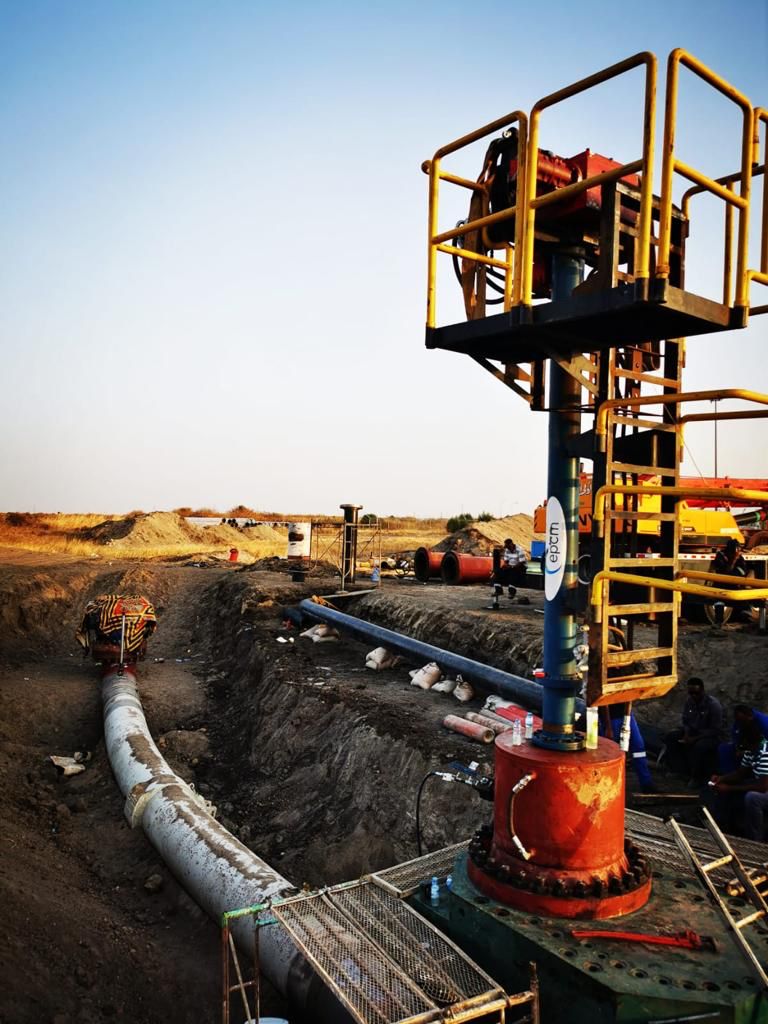
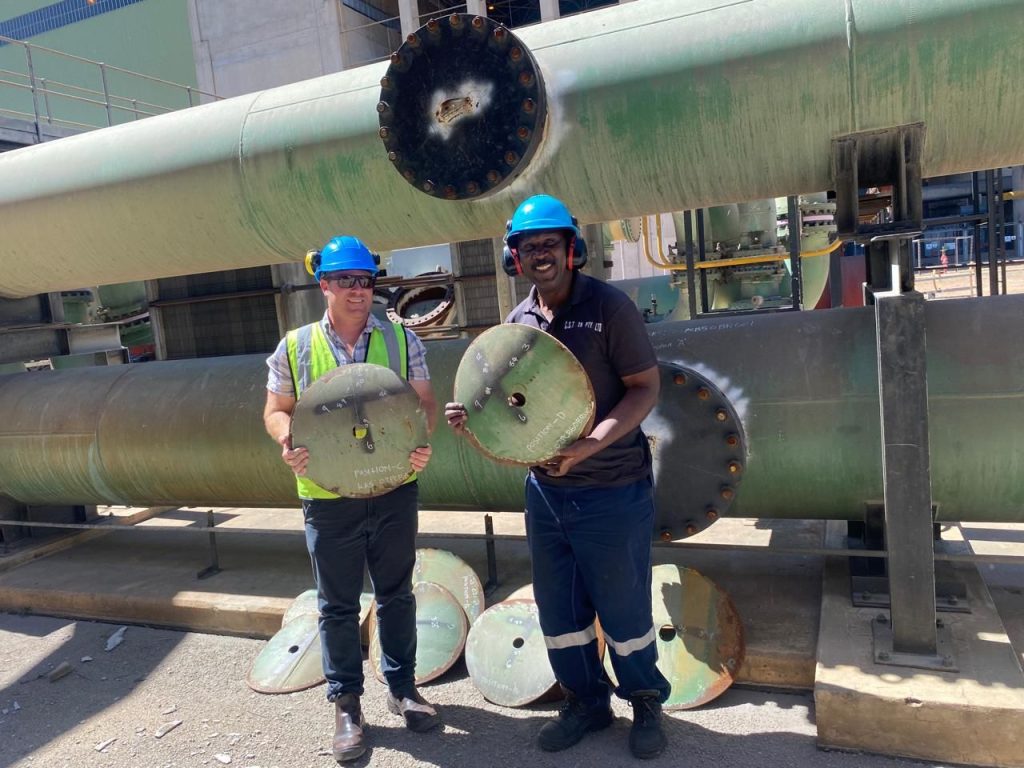
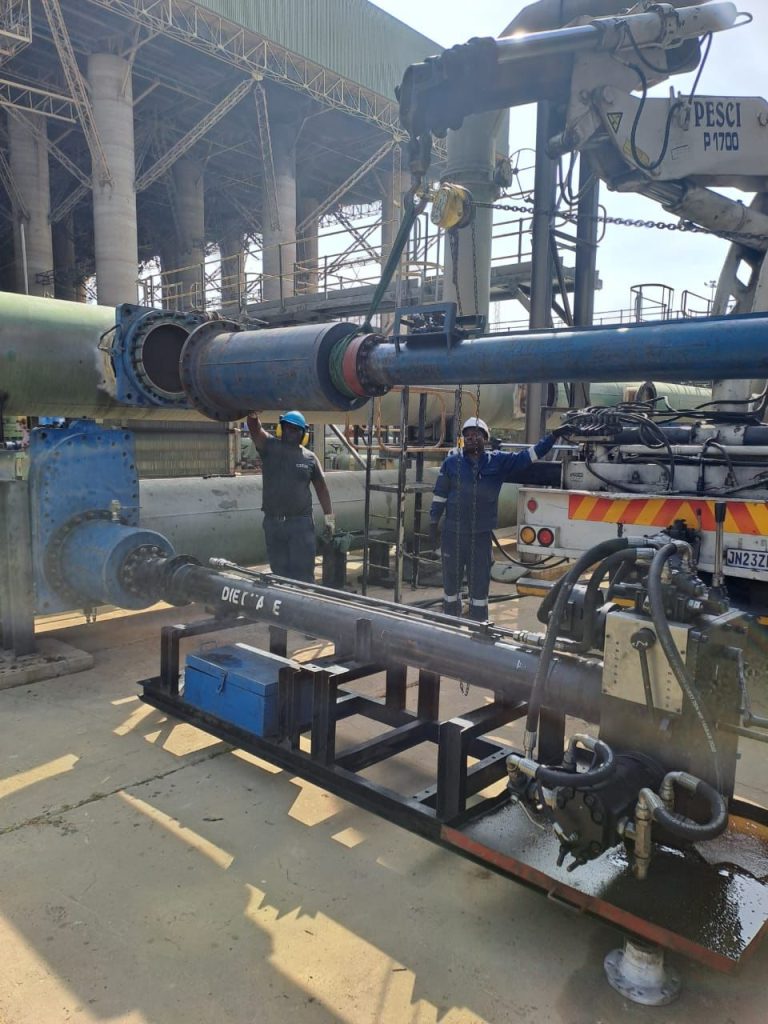
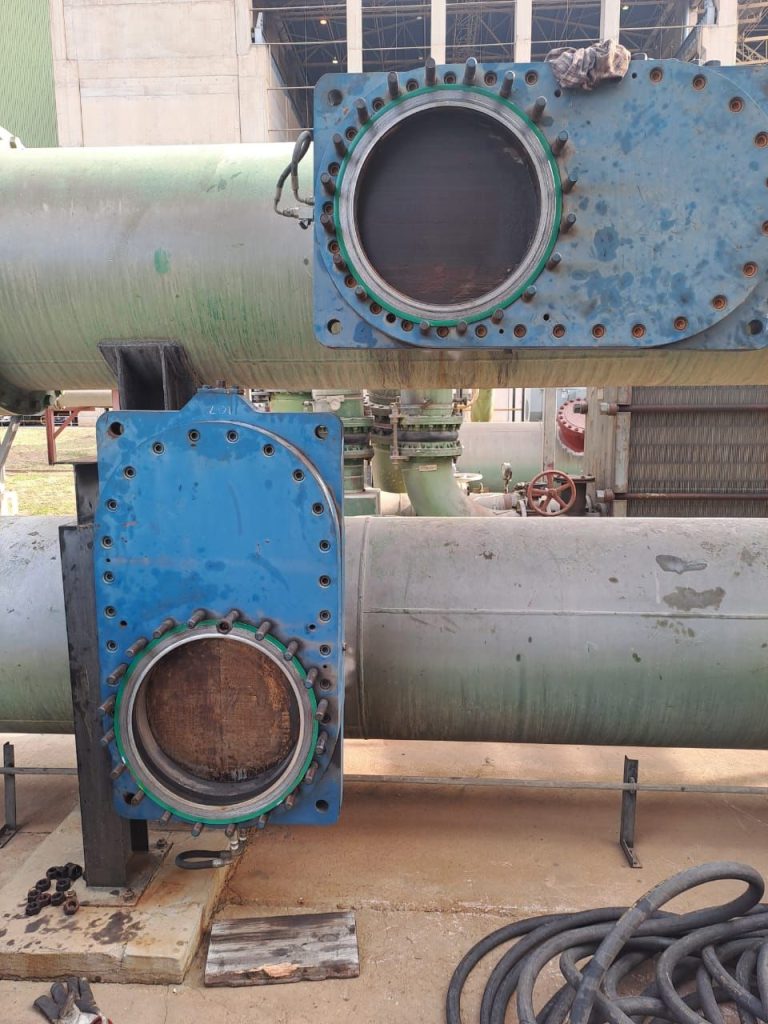
Expertise in Hot Tapping Services
South African EPC firms have built unique expertise in a variety of economic sectors. Their deep knowledge of each sector helps them solve complex infrastructure challenges and deliver targeted solutions that enhance project outcomes.
Mining and Metals Infrastructure Projects
The mining sector serves as the life-blood of South Africa’s EPC industry. LeadEPC handles multi-discipline projects in mining with a focus on structural, mechanical, electrical, instrumentation, and piping (SMEIP) services [8]. The company’s core strengths shine in the metals industry through their work on rolling mills, process lines, furnaces, coke ovens, and water treatment plants [8]. They have earned their place as an approved vendor for major players like ArcelorMittal group, Columbus Stainless Steel, and Hulamin [8]
Oil & Gas EPC Solutions with SMEIP Services
South African EPC contractors deliver detailed solutions with specialized services in the oil and gas sector. LeadEPC provides SMEIP services approved by industry giants SASOL, Transnet Pipelines, and PetroSA [8]. New Age Engineering Solutions, a 20-year old company, delivers complete mechanical services and welding maintenance solutions. They operate in major industrial hubs like Cape Town, Rustenburg, Secunda, and Sasolburg [9].
Renewable Energy EPC Projects: Solar and Wind
The renewable energy sector in South Africa has grown remarkably through EPC implementation. Large-scale windfarms and solar energy projects have attracted over R200 billion in investments since 2011 [10]. JUWI South Africa has 400 MW of EPC projects under development for mines [11]. Soventix has completed over 28.6 MWp of renewable energy projects [12]. Some standout projects include the 140 MW Garob wind farm that feeds clean energy to the national grid [13] and the Kenhardt project with 540 MW solar capacity plus 225 MW/1,140 MWh battery storage [14].
Transport and Industrial EPC Applications
Transport infrastructure leads South Africa’s civil engineering sector with a value of R116,557 billion. Transportation alone adds R52,451 billion to this figure [15]. ACTOM Rail Transport delivers turnkey solutions in railway automation, signaling, control systems, and traction equipment [16]. V3Consulting creates detailed solutions for transport infrastructure including major roads, railways, and bridges. They use innovative engineering design and 3D technology to achieve this [17].
Execution Models and Risk Allocation Strategies
Picking the right contract model plays a significant role in managing risks for South African EPC projects. The chosen execution approach determines how clients and contractors share responsibilities, costs, and risks.
Fixed-Price EPC vs Reimbursable EPC Contracts
Fixed-price EPC contracts shift almost all project risks to contractors while giving clear budget and schedule certainty. EPC contractors add a risk component of 10-20% to the total CAPEX [18]. Reimbursable EPC contracts work differently – costs get reimbursed plus a fee, which creates a more balanced risk split. The FIDIC Silver Book, which South African turnkey projects often use, puts most financial risks on contractors who “are required to assume responsibility for a wider range of risks” [1]. Clients prefer fixed-price models to transfer risk, especially when economic conditions make project savings unlikely [19].
Hybrid EPCM Models and Client Involvement
EPCM contractors work differently because they provide professional services instead of taking construction risks. Clients keep all contracts while the EPCM provider manages the process in pure EPCM arrangements [20]. Both parties share procurement duties in hybrid models. EPCM contractors differ from EPC by providing cost estimates that are “generally subject to contractual provisions, allowing for remeasurement and adjustment” [19]. Teams need to develop a complete work breakdown structure before giving packages to contractors [18]. Contractors moving from EPCM to EPC should be careful about outsourcing large work portions without proper knowledge since they stay “commercially responsible for its outcomes” [18].
Risk Sharing and Performance Guarantees
Performance guarantees protect finances and typically range between 5-10% of the contract value [21]. These guarantees help complete projects even if the original contractor fails. Risk allocation in South Africa has evolved to include community participation and protection against “construction mafia” interference [22]. Lenders influence how risks get shared – security packages usually include “performance bonds or parent company guarantees”. These give lenders step-in rights to finish projects if contractors underperform [22]. South African EPC contracts include defects liability periods of 1-2 years, with latent defect liability lasting 3-5 years after completion [22].
Best Practices in EPC Project Delivery
EPC contractors in South Africa must follow well-laid-out practices to complete complex projects. Here are the practices that set industry leaders apart from the rest.
Work Breakdown Structures and Scope Control
Work breakdown structures (WBS) are the foundations of project planning in EPC delivery. This core tool divides complex projects into smaller, manageable chunks and ensures full scope coverage [4]. A well-implemented WBS helps project teams calculate costs accurately, distribute tasks, and monitor progress against schedule and budget [4]. The WBS gives EPC projects a logical grouping of scope that ended up preventing crucial mistakes or oversights [23]. Project experts suggest keeping WBS to 3-5 levels to maintain clarity, though approaches may differ [4].
Vendor and Subcontractor Management
The quickest way to handle vendors involves picking qualified suppliers, working out contracts, and making sure deliveries arrive on time [24]. Most successful EPC contractors keep a list of approved subcontractors with specific contracting value limits [25]. The core team reviews this list carefully before signing contracts to verify each subcontractor can handle their assigned work [25]. Notwithstanding that subcontractors get appointed, the primary contractor stays responsible for all contractual duties [25].
Commissioning and Operational Handover Planning
A detailed plan and proper documentation make the commissioning process work. EPC contractors need step-by-step procedures for each system they commission [26]. The handover of documentation plays a crucial role and happens in three stages: preliminary documentation, documents with redlines (as-built), and final documentation [27].
Conclusion
South African EPC turnkey contractors have proven their worth in delivering complete project solutions in many sectors. Companies like LeadEPC and COENG show they can handle projects from the first concept to final commissioning. Without doubt, they turn complex infrastructure challenges into successful projects through their integrated approach.
Clients choose the EPC model because it gives them certainty and accountability. The single-point responsibility setup reduces paperwork, while fixed-price contracts help predict budgets better. The turnkey delivery system also gives clients fully working facilities that meet all requirements without dealing with multiple contractors.
EPC contractors in South Africa have built impressive expertise in specific sectors. They shine in mining infrastructure, oil and gas facilities, renewable energy setups, and transportation systems. This deep knowledge helps them tackle each industry’s unique challenges while meeting quality standards.
Risk management stands at the heart of EPC projects. Contractors usually add 10-20% to their prices to cover risks. They offer different contract types – fixed-price, reimbursable, or hybrid models – to share risks between parties. Performance guarantees protect everyone involved throughout the project.
Top EPC contractors stand out by using detailed work breakdown structures, managing vendors well, and planning commissioning carefully. These methods lead to project success through organized systems, clear responsibilities, and strict quality control.
South Africa’s growing infrastructure needs will make EPC turnkey contractors more important than ever. They know how to handle complex projects, reduce risks, and bring different technical skills together. This makes them crucial partners for future development across Africa.
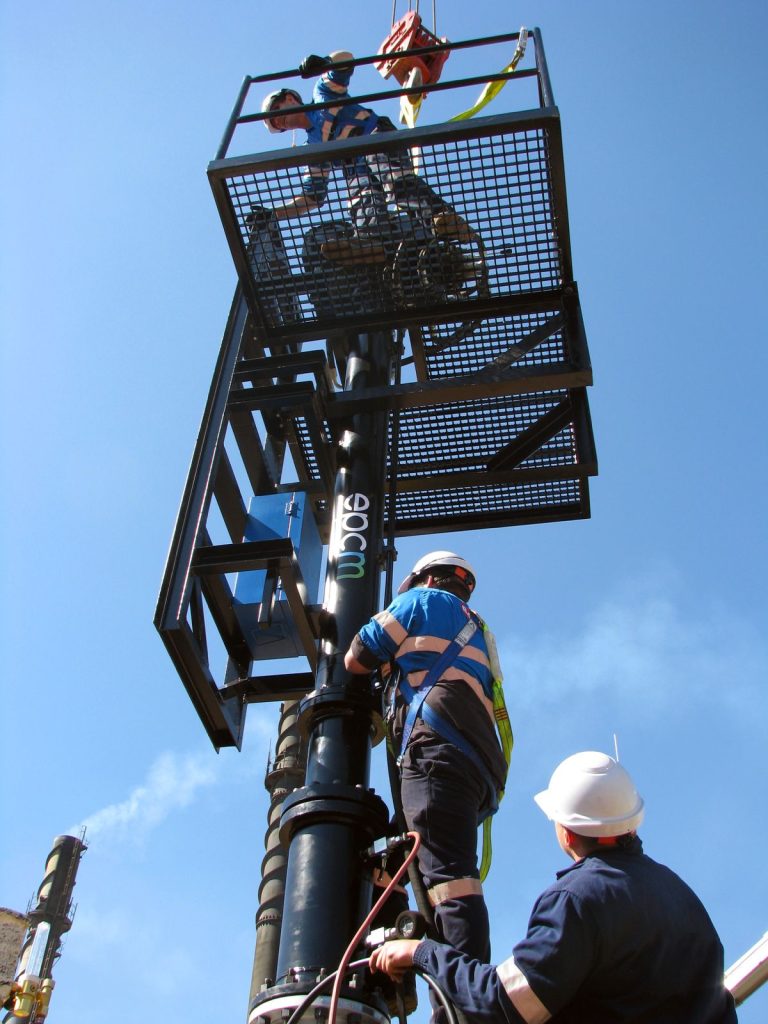
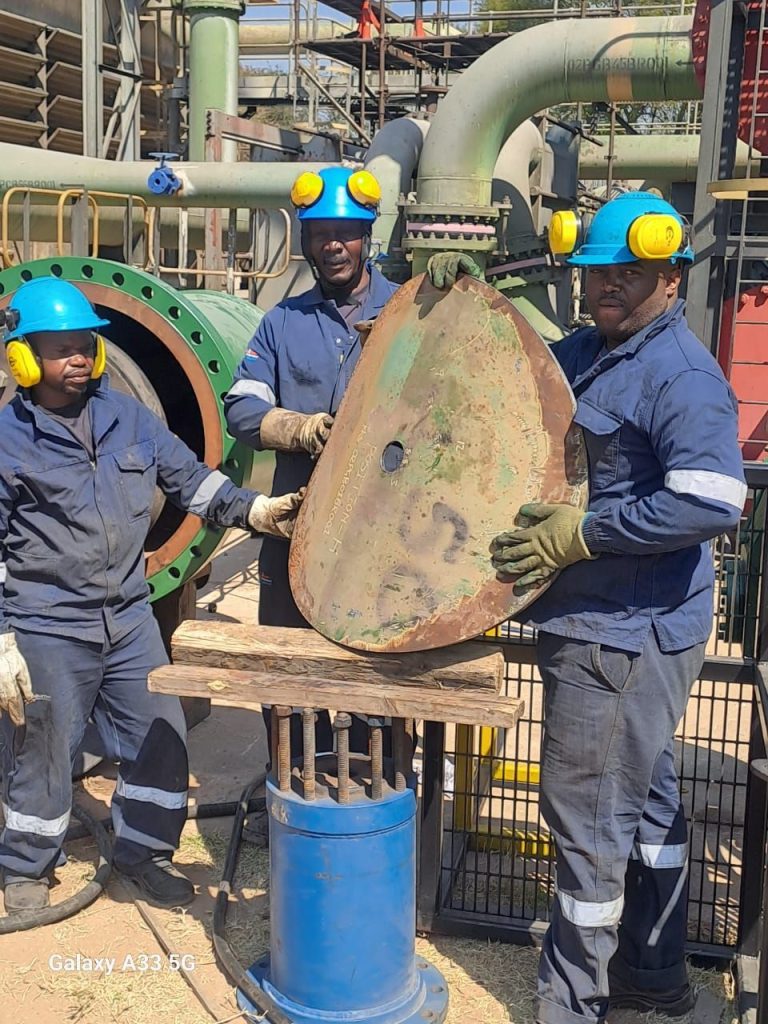
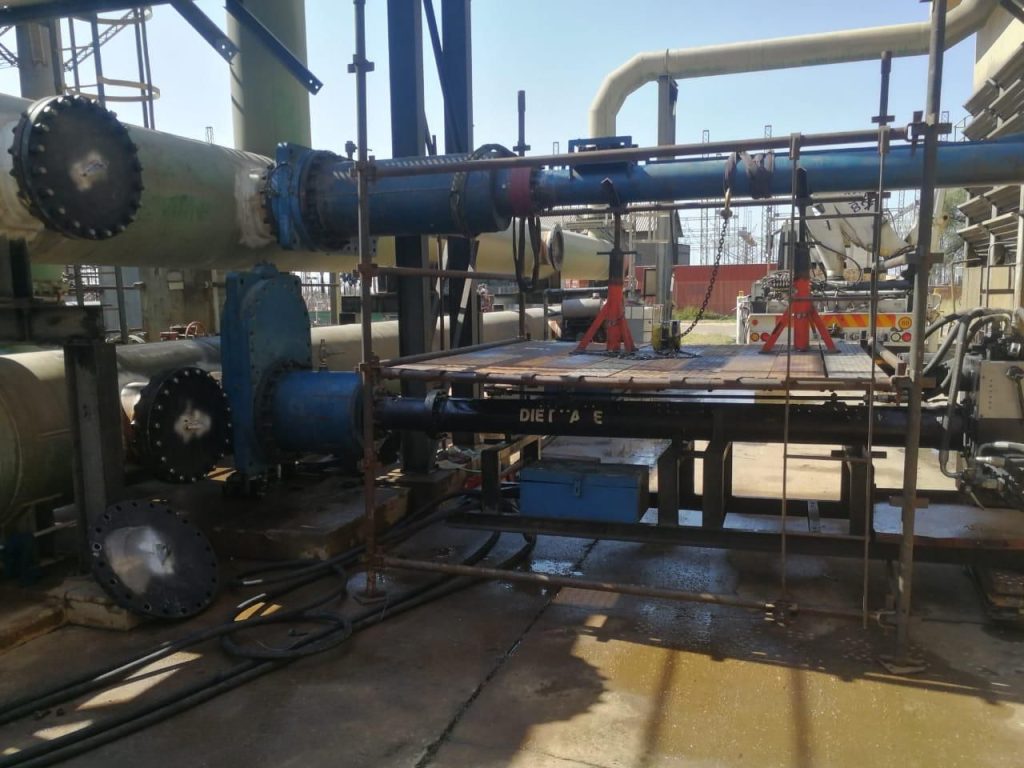
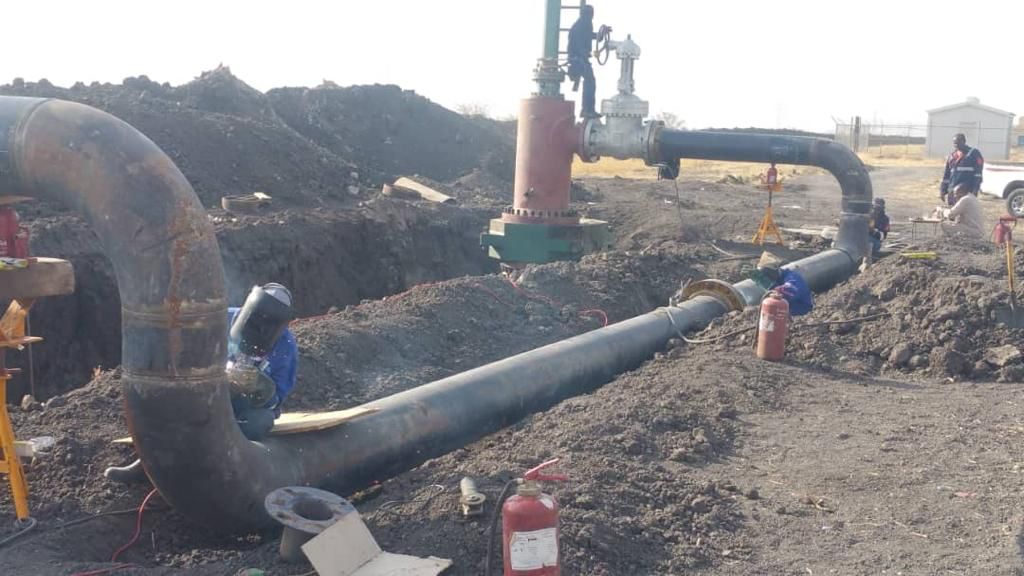
Ready to Eliminate Downtime?
Connect with us for expert hot tapping and line stopping services in South Africa. Our precision-driven pipeline interventions keep your operations flowing, safely and efficiently.